Top 5 Pilgrimages Every Devotee Must Experience Once in a Lifetime

India is called the land of spirituality because every region holds a sacred path for the soul. Pilgrimage here is not tourism – it’s transformation. You don’t just visit temples, you walk through stories of gods, legends, and devotion.

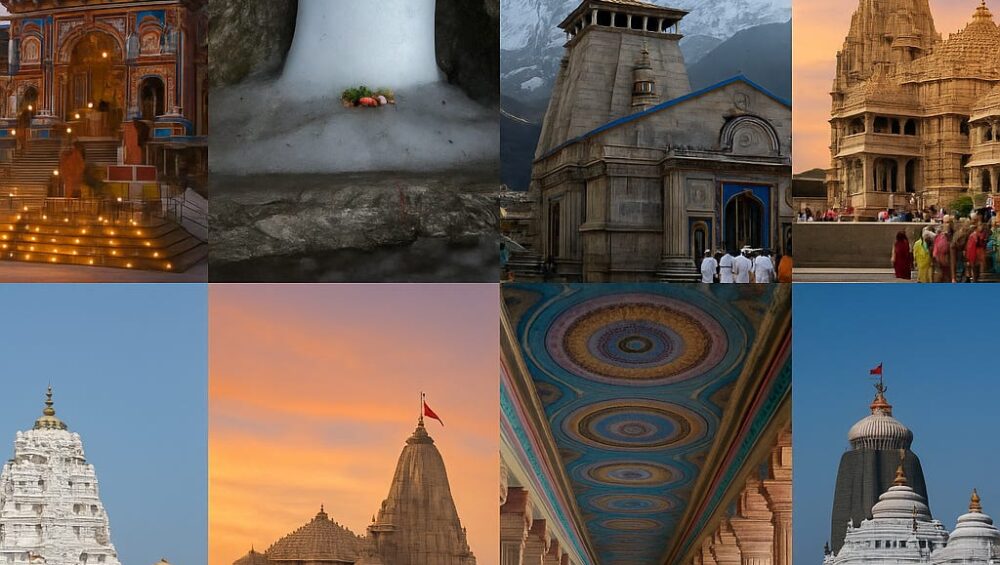
1. Char Dham Yatra (Yamunotri, Gangotri, Kedarnath, Badrinath)
This Himalayan circuit is believed to wash away sins and open the gates of liberation. From snow peaks to sacred shrines, this journey is both adventurous and deeply spiritual.

2. Amarnath Yatra
High up in Jammu & Kashmir, a natural ice Shivling forms inside a cave every year. Thousands trek through glaciers and mountains to witness this miracle, chanting “Har Har Mahadev.”

3. Vaishno Devi
A journey of faith where devotees climb mountains to reach the sacred cave of Goddess Vaishno Devi in Katra. Every step is taken with hope, and every prayer feels answered.

4. Kailash Mansarovar
One of the toughest pilgrimages in the world, in Tibet, where Lord Shiva is believed to reside. Devotees walk around Mount Kailash (parikrama) – a once-in-a-lifetime experience.

5. Kashi Vishwanath, Varanasi
One of the 12 Jyotirlingas of Lord Shiva, Kashi is the beating heart of spiritual India. To walk through its ghats, hear the evening Ganga Aarti, and offer prayers at Vishwanath temple is to feel the pulse of eternity.

These pilgrimages are not just destinations – they are journeys of surrender, belief, and awakening. Even if you are not a believer, traveling to these places helps you understand why India is called the land of faith.
Asthi Visarjan: Sacred Rivers of India and Their Significance

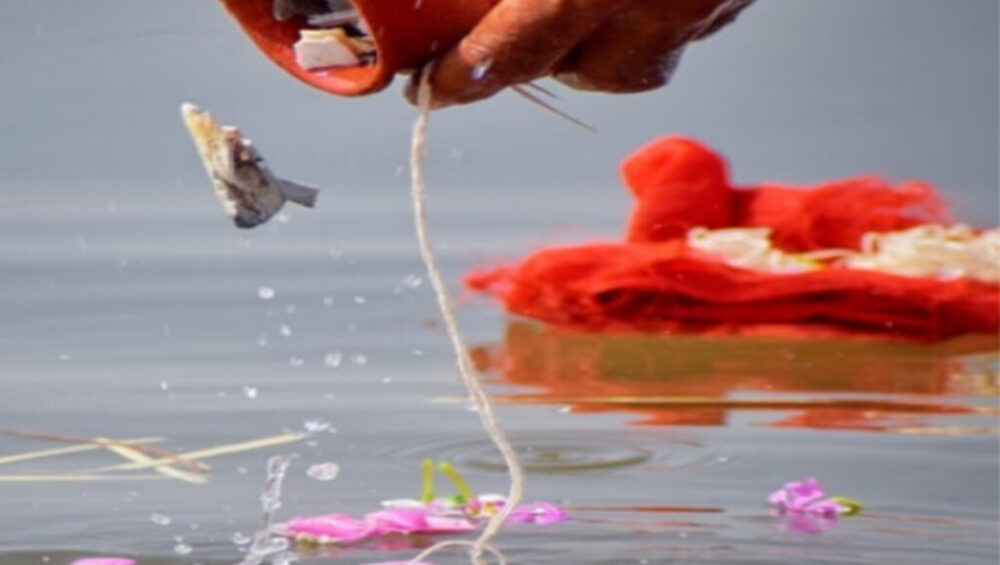
In India, life and death are deeply connected with spirituality. When a person passes away, their ashes—called asthi in Sanskrit—are immersed in a holy river. This ritual, known as Asthi Visarjan, is not just a tradition but a journey of love, remembrance, and faith. Families believe that by offering the ashes to sacred rivers, the soul finds peace and moves forward in its spiritual journey.

Why Rivers?
Rivers in India are not just water bodies; they are living deities. The Ganga is called Maa Ganga, the Yamuna is worshipped as a sister, and the Narmada is seen as divine energy. For centuries, Indians have believed that these waters purify sins and carry prayers to the heavens.

Important Places for Asthi Visarjan

  • Varanasi (Kashi) – The most sacred city on the banks of the Ganga. Here, families from across the world come to perform rituals.

  • Prayagraj (Triveni Sangam) – The confluence of Ganga, Yamuna, and Saraswati, where it is believed moksha becomes possible.

  • Haridwar – Where the Himalayas gift the first flow of Ganga, powerful and pure.

  • Nashik (Godavari) – Known as the Dakshin Ganga, highly revered for rituals in South and West India.

Emotional Connect
Imagine standing on the banks of the Ganga in Varanasi at sunrise. The chants of priests, the fragrance of incense, the sound of bells – and amidst it, you release the ashes of your loved one into the flowing river. It feels as though nature itself takes your sorrow, turns it into prayer, and carries it away.

Asthi Visarjan is not about mourning, it’s about love that continues beyond life. Whether you are Indian or a foreigner, witnessing this ritual gives you a glimpse into how deeply India celebrates the soul’s eternal journey.

Festival Journeys: Experiencing India’s Faith Through Travel

India celebrates more festivals than there are days in a year! Each festival is not just a ritual but a journey – of communities coming together, of colors, of chants, of devotion. Traveling during festivals in India is like entering a live storybook of gods and traditions.

Kumbh Mela
Held every 12 years, it is the largest gathering of humans on earth. Millions take a holy dip at the Sangam (confluence) believing it purifies lifetimes of karma. As a traveler, being in Kumbh is overwhelming – the energy, the colors, the sea of humanity moving with faith.

Rath Yatra (Puri, Odisha)
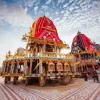
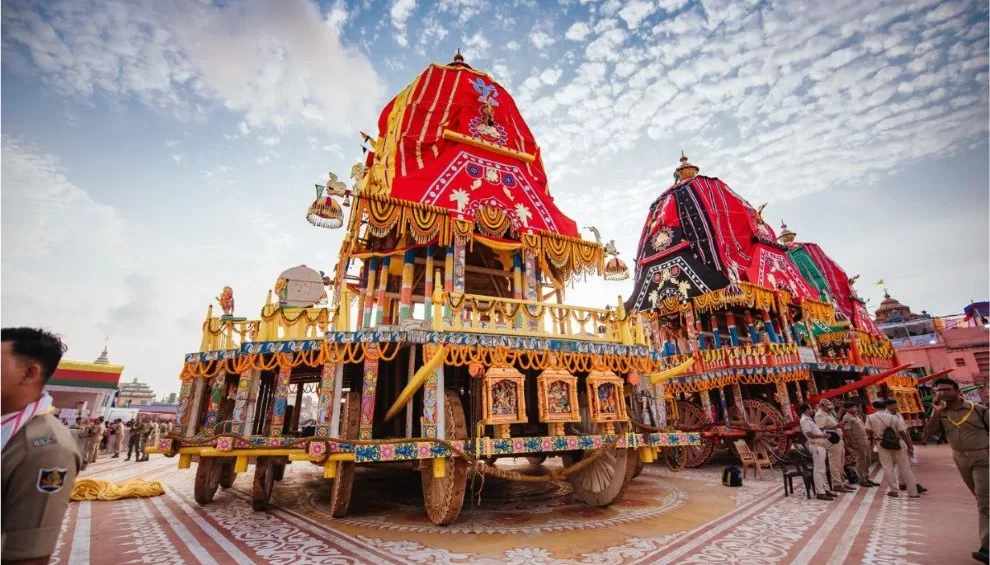
Lord Jagannath’s massive chariot procession is so grand that even foreigners are left awestruck. Devotees pull the gigantic chariots with ropes, singing and dancing – it feels like divinity itself is on the streets.

Navratri (Vaishno Devi & Across India)
Nine nights of devotion to the Goddess. In Vaishno Devi, special prayers fill the caves. In Gujarat, the whole state dances Garba all night in vibrant dresses. Faith and festivity walk hand in hand.

Mahashivratri (Ujjain & Kashi)
Temples of Shiva remain alive all night with chants of “Om Namah Shivaya.” In Ujjain’s Mahakaleshwar temple, the Bhasma Aarti at dawn is an unforgettable sight.

To travel in India during festivals is to see devotion turn into celebration. It shows that spirituality here is not confined to temples – it flows in the streets, in songs, in dances, in prayers.