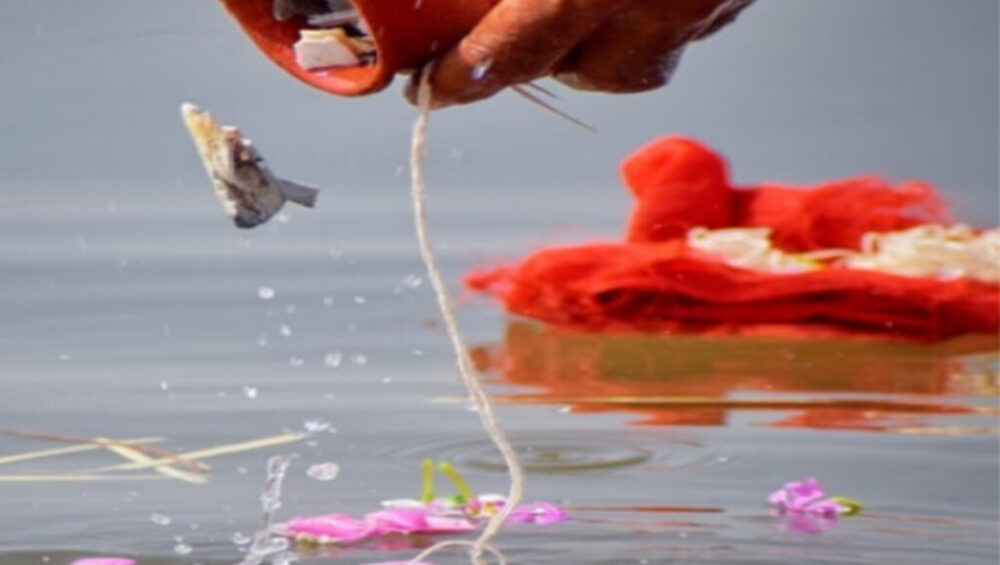
In India, life and death are deeply connected with spirituality. When a person passes away, their ashes—called asthi in Sanskrit—are immersed in a holy river. This ritual, known as Asthi Visarjan, is not just a tradition but a journey of love, remembrance, and faith. Families believe that by offering the ashes to sacred rivers, the soul finds peace and moves forward in its spiritual journey.
Why Rivers?
Rivers in India are not just water bodies; they are living deities. The Ganga is called Maa Ganga, the Yamuna is worshipped as a sister, and the Narmada is seen as divine energy. For centuries, Indians have believed that these waters purify sins and carry prayers to the heavens.
Important Places for Asthi Visarjan
-
Varanasi (Kashi) – The most sacred city on the banks of the Ganga. Here, families from across the world come to perform rituals.
-
Prayagraj (Triveni Sangam) – The confluence of Ganga, Yamuna, and Saraswati, where it is believed moksha becomes possible.
-
Haridwar – Where the Himalayas gift the first flow of Ganga, powerful and pure.
-
Nashik (Godavari) – Known as the Dakshin Ganga, highly revered for rituals in South and West India.
Emotional Connect
Imagine standing on the banks of the Ganga in Varanasi at sunrise. The chants of priests, the fragrance of incense, the sound of bells – and amidst it, you release the ashes of your loved one into the flowing river. It feels as though nature itself takes your sorrow, turns it into prayer, and carries it away.
Asthi Visarjan is not about mourning, it’s about love that continues beyond life. Whether you are Indian or a foreigner, witnessing this ritual gives you a glimpse into how deeply India celebrates the soul’s eternal journey.